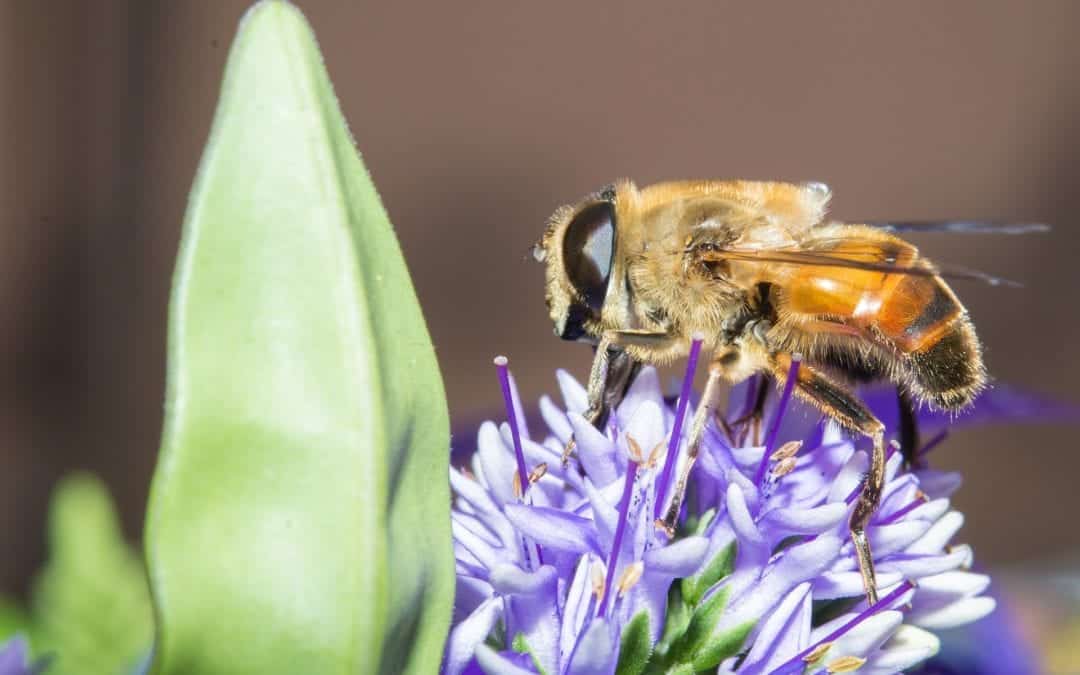
Honeybees, the primary pollinators for much of our food, are in serious decline due to a variety of environmental pressures, including the way we treat honey bees as “pests.” We at Fairman Associates are pleased to work with The Urban Beekeepers, who’ve provided the following information about the importance of dealing with honeybees on your property. Please read and share with others with regard to “best practices” when you have a bee issue!
As a result of the serious decline in honeybee populations, there’s a nation-wide strategy to promote the health of honeybees (and other pollinators), directed by the Federal government through the USDA. Here’s why:
- Honeybees pollenate 80% the landscape. They are the primary pollinator of western agriculturally farmed food.
- More than a third of our dinner table is a result of honeybee pollination.
- Honeybee pollination is valued at having more than a $15B impact on our national agriculture and economy. (Yes, that’s billions!)
- Due to the negative influences of pesticides, herbicides, agricultural feeding, weather, viruses, as well as dealing with other pests, honeybees are under much distress.
- It is our responsibility to correct this worldwide assault on pollinators with proper management practices and make every effort to support and rescue these bees, whenever possible.
One step in the process is to address feral honeybees. In lieu of extermination, feral hives are being rescued and relocated – a natural solution to protect honeybees. It is the nature of honeybees to split and swarm and, when unmanaged, feral honeybees fulfill this nature, spreading into landscape and structural locations. Rescuing honeybees and relocating them to a quality managed location is a simple solution.
For the past eight years, State of Florida agencies, beekeepers, and pest control operators have been working together to rescue and relocate honeybees under an amended Florida Administrative Code that governs pest control operators. Here’s a small excerpt from that code.
5E-14.151 Removal and Relocation of Bees from Structures, Lawns or Ornamentals.
(1) Bees fall within the definition of “pest” in Section 482.021(21), F.S., and also the definition of “agriculture” in Section 570.02(1), F.S. The removal and relocation of bees by a beekeeper registered pursuant to Section 586.045, F.S., from a structure, lawn, or ornamental for the production of honey and related products or the pollination of plants or crops shall not be considered pest control.
This ruling provides an opportunity for registered beekeepers to rescue and relocate honeybees in lieu of extermination. It also provides an option for Pest Control Operators who did not wish to exterminate honeybees.
Relocating Honeybees to managed hives has many advantages and benefits, including:
- Reducing potential aggressive genetics.
- Building drone congregation areas with desirable hygienic bees.
- Placing honeybees in managed conditions.
- Reducing hazardous chemicals and pesticides from being introduced into the environment and residential structures.
To learn more or reach out to an expert for help in this area, contact www.theurbanbeekeepers.com.
About the Author

Steven Mitchell
Steven Mitchell, a Licensed Community Association Manager, joined Fairman & Associates, Inc. as a Property Manager in 2014. He has worked in construction management & property management industry for twenty years. He is currently managing Broward and Palm Beach portfolios and works closely with his Boards of Directors, property owners and tenants to ensure efficient management and maintenance of the properties.
- Steven Mitchell#molongui-disabled-link


- Steven Mitchell#molongui-disabled-link

- Steven Mitchell#molongui-disabled-link

- Steven Mitchell#molongui-disabled-link

- Steven Mitchell#molongui-disabled-link
- Steven Mitchell#molongui-disabled-link

- Steven Mitchell#molongui-disabled-link
- Steven Mitchell#molongui-disabled-link



Thanks Steven, You got it right on the honey, I mean money!